Investigating Identity: Youth Investigators Explore College and Career Pathways at Cornell
Jennifer Duque, PRYDE/BCTR Student Programs Coordinator
Photography by University Relations Creative Services at Cornell University
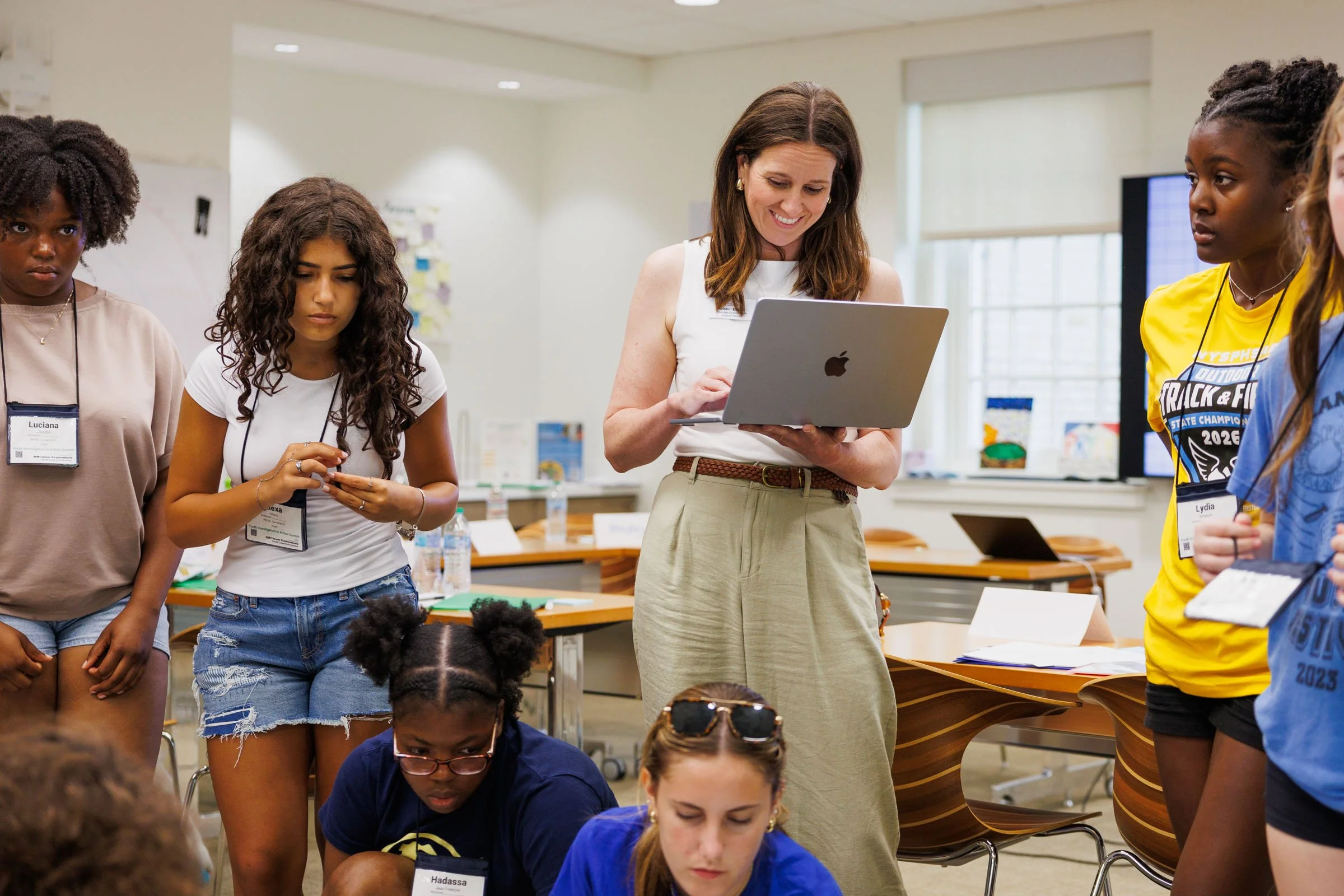
What shapes a student's journey to college and career? For 16 students from North Rockland High School, that question became the focus of the 2026 Youth Investigators Summit, a two-day hands-on research experience hosted by PRYDE at Cornell University in partnership with the NYS 4-H Career Exploration program.
The summit brought students to Cornell's campus to not only learn about research, but to experience it firsthand. Throughout the two days, students stepped into the role of social science researchers, investigating one central question: How do social identities influence college and career pathways? Through a combination of quantitative and qualitative research methods, they explored how identity can shape educational experiences, opportunities, and aspirations while gaining a glimpse into life as a college student. This was PRYDE’s fourth year hosting the Youth Investigators Summit with students from North Rockland High School.
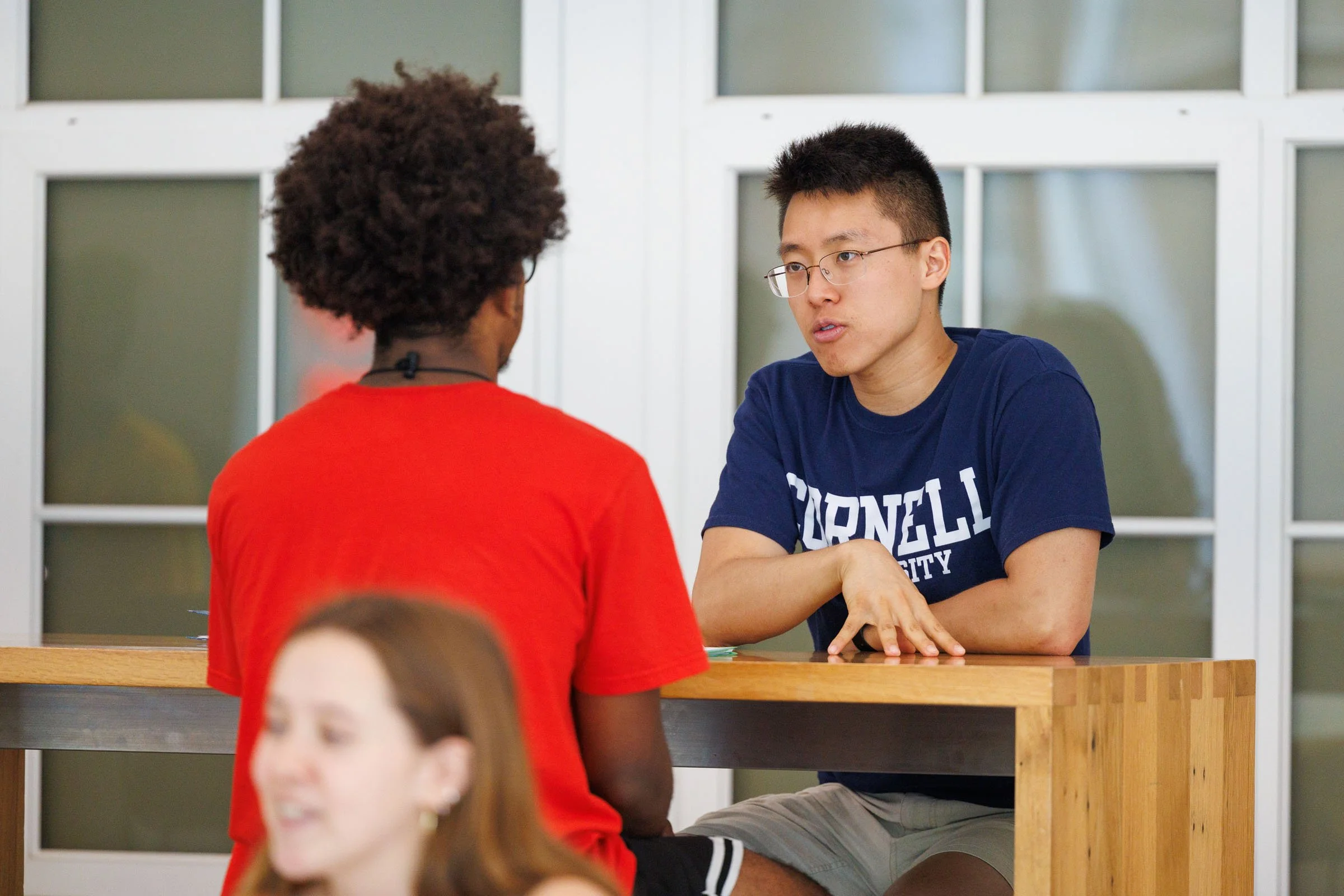
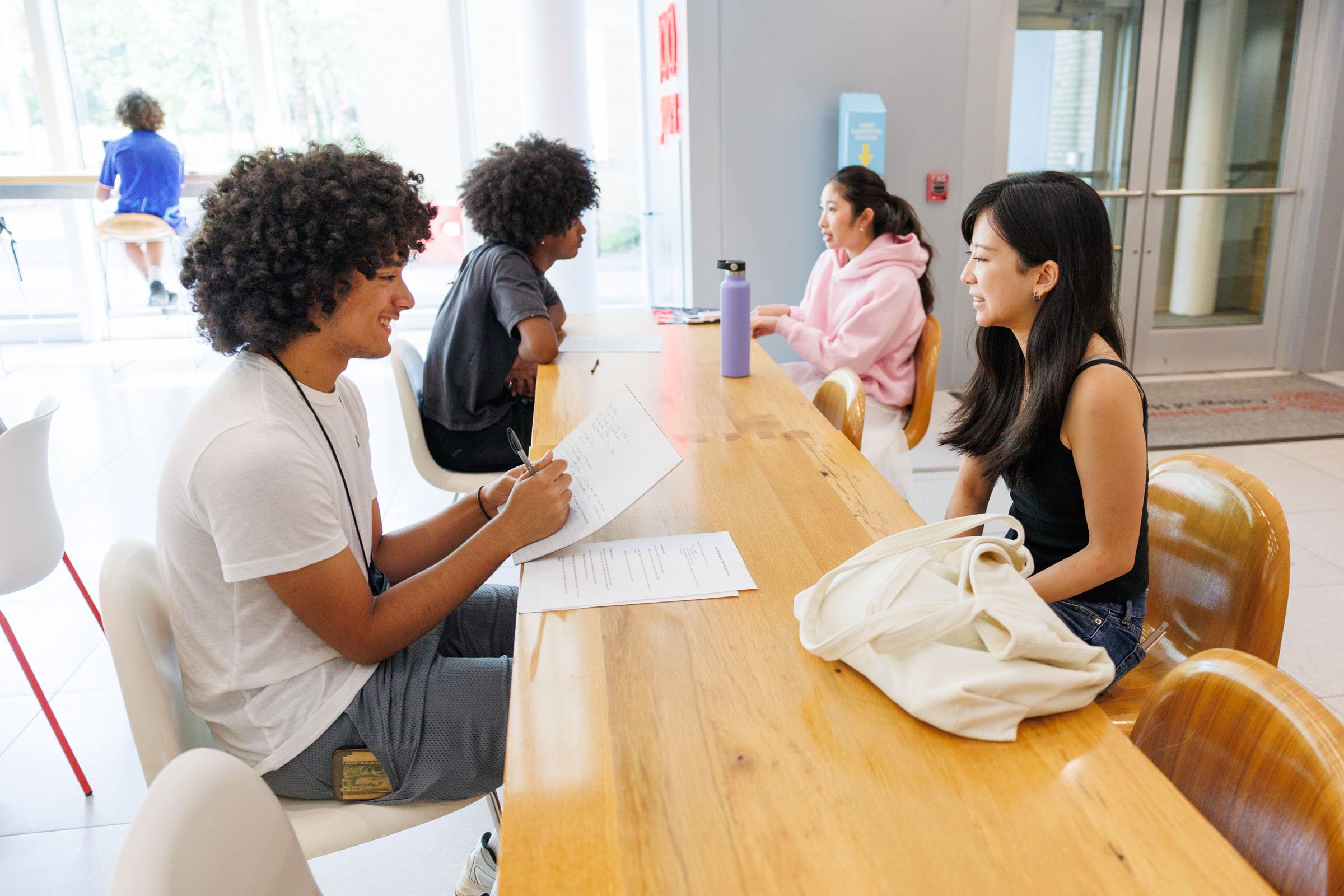
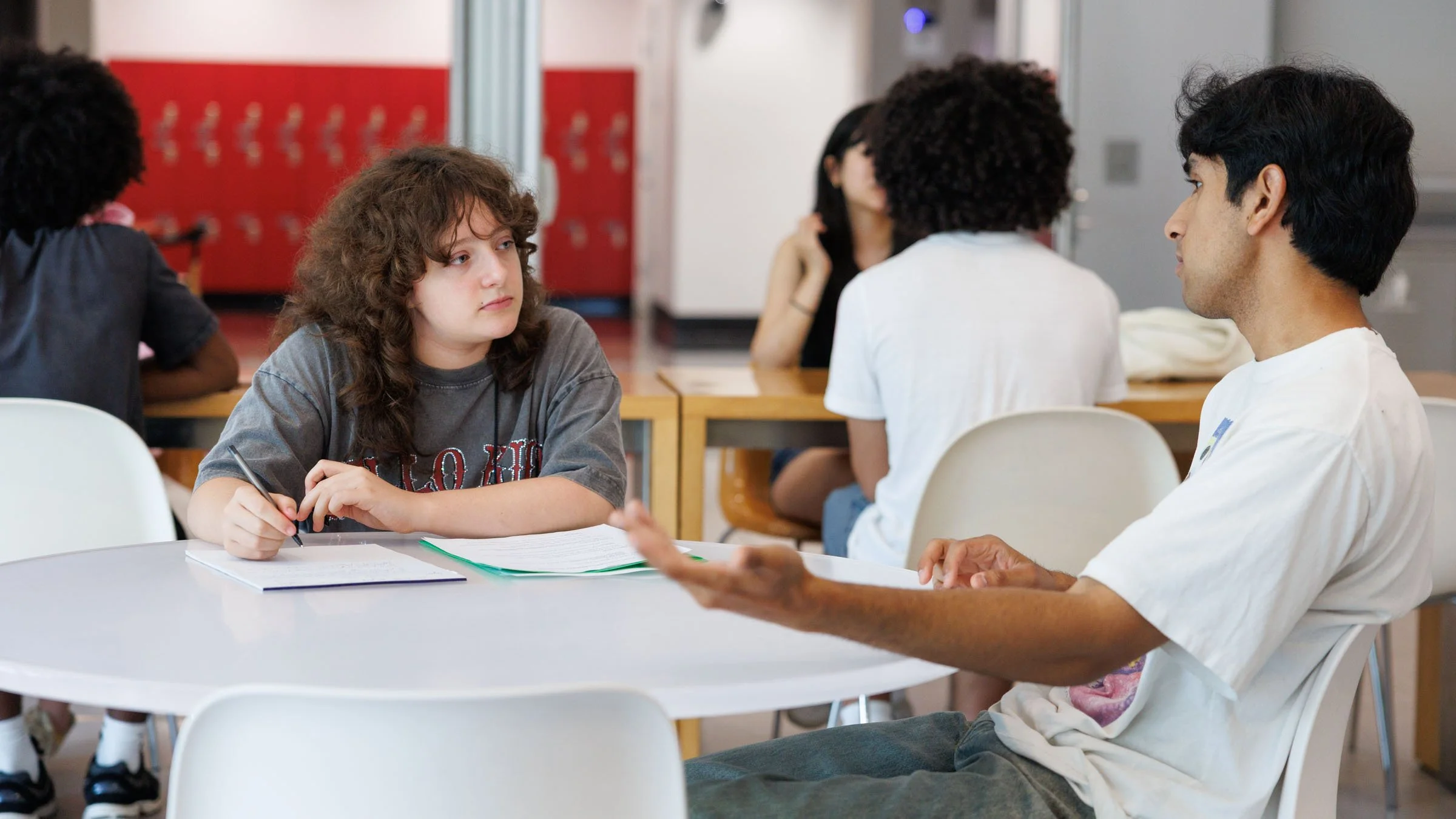
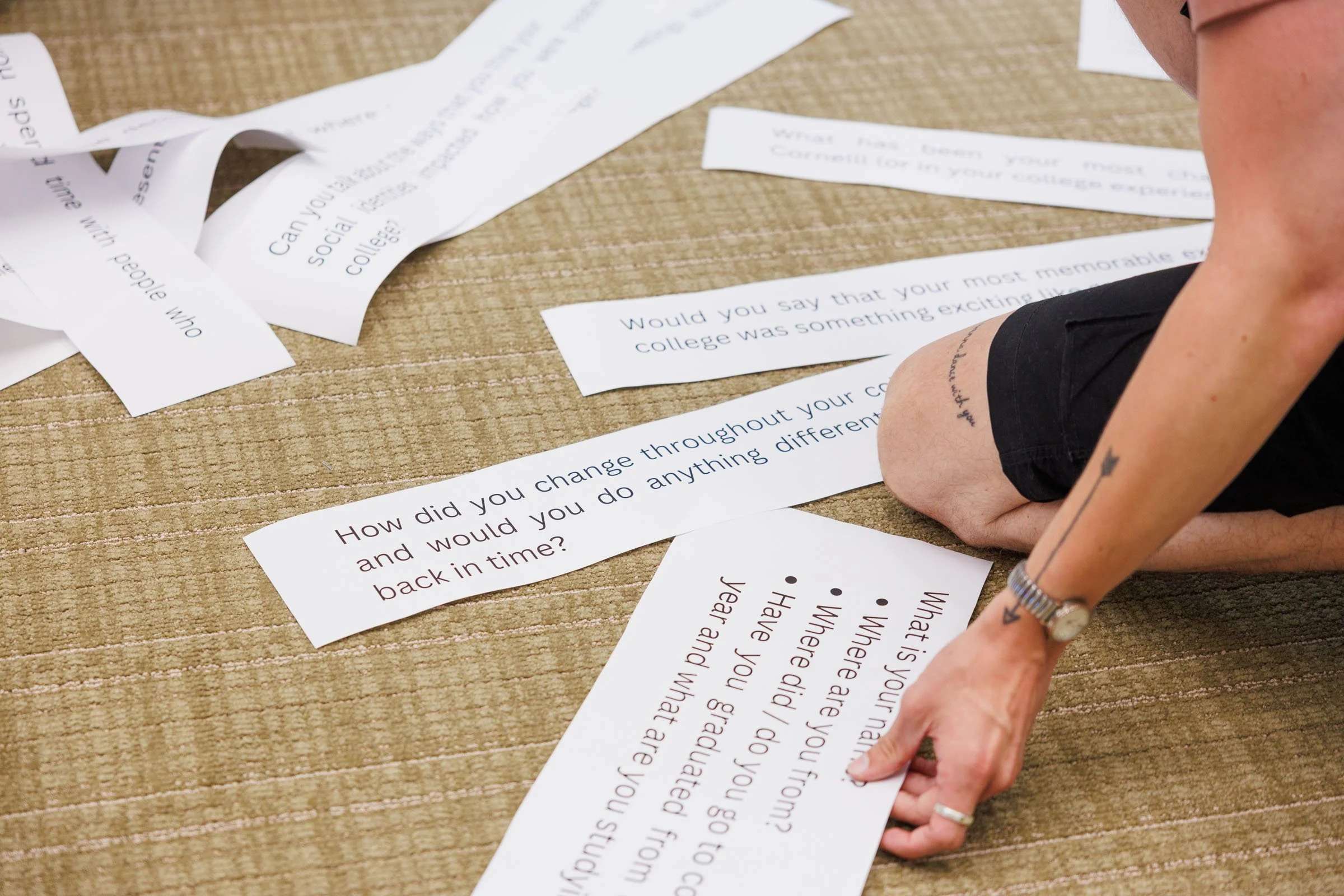
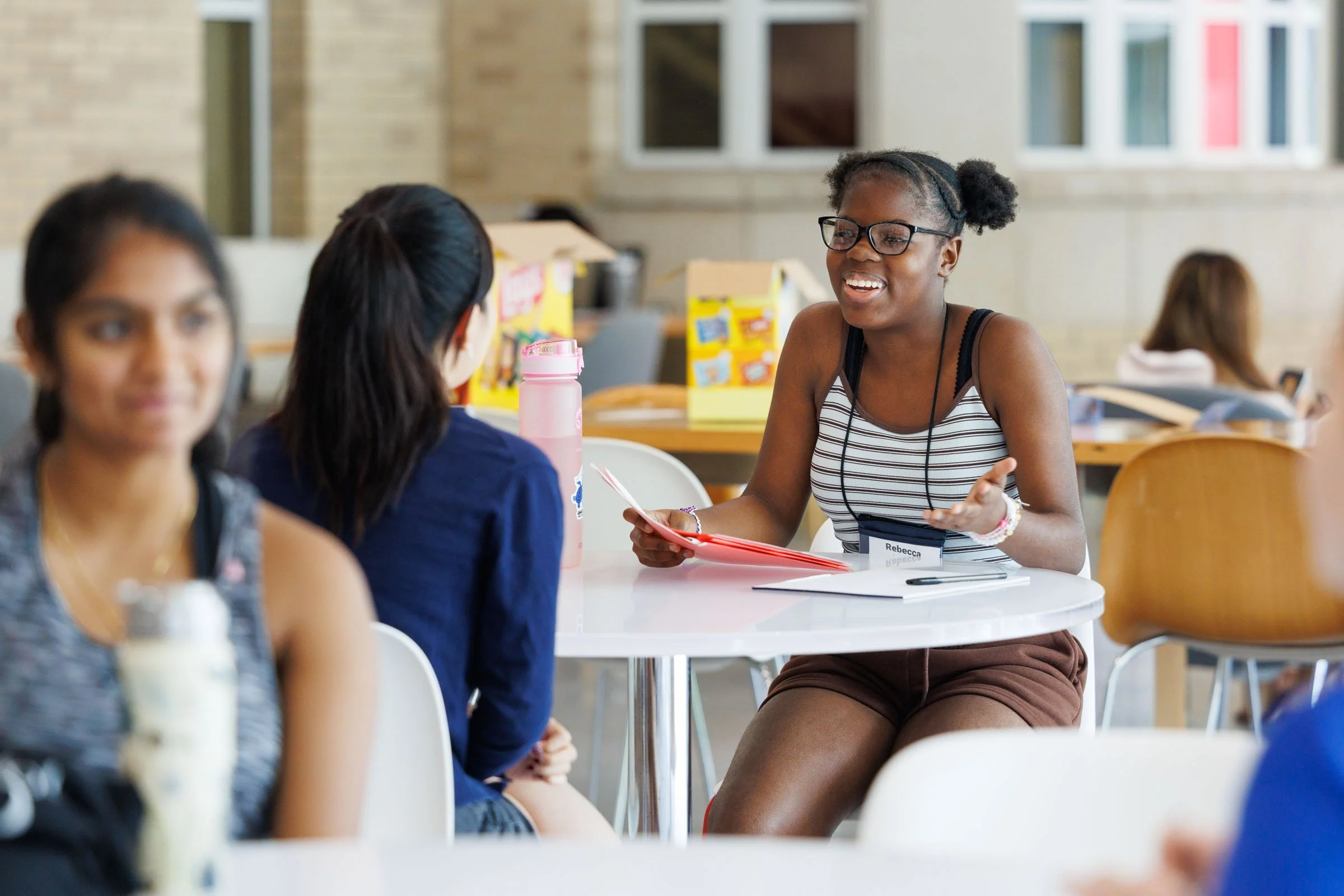
Day one gave students the opportunity to experience the research process firsthand. Students began by examining secondary data related to educational outcomes, looking for patterns and trends that could help frame their investigation. They then had the opportunity to conduct qualitative interviews with Cornell undergraduate students, asking thoughtful questions about their educational journeys, campus experiences, and the factors that influenced their decisions to pursue higher education. These conversations gave students a chance to hear a variety of personal stories while practicing one of the most valuable tools in qualitative research: listening.
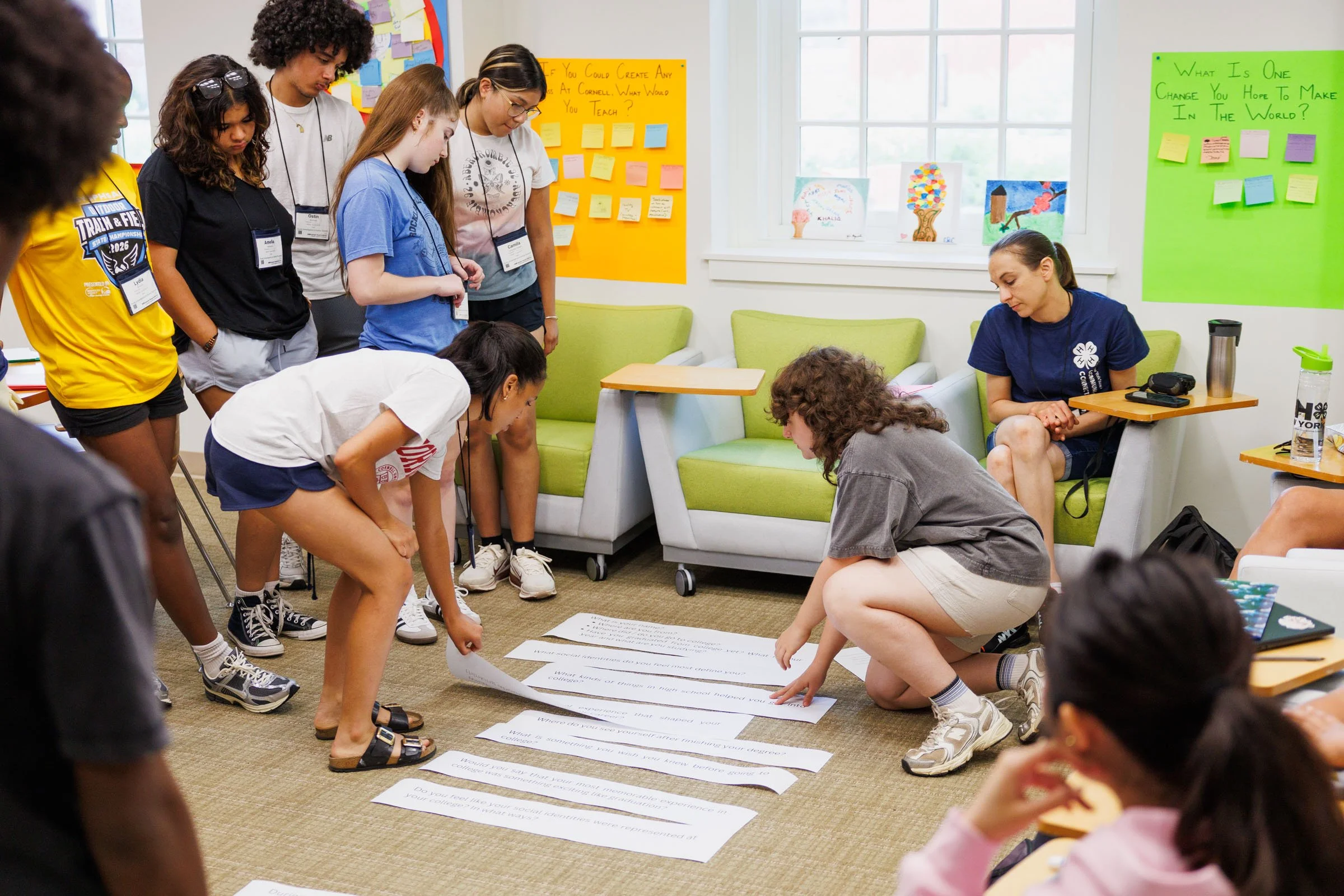
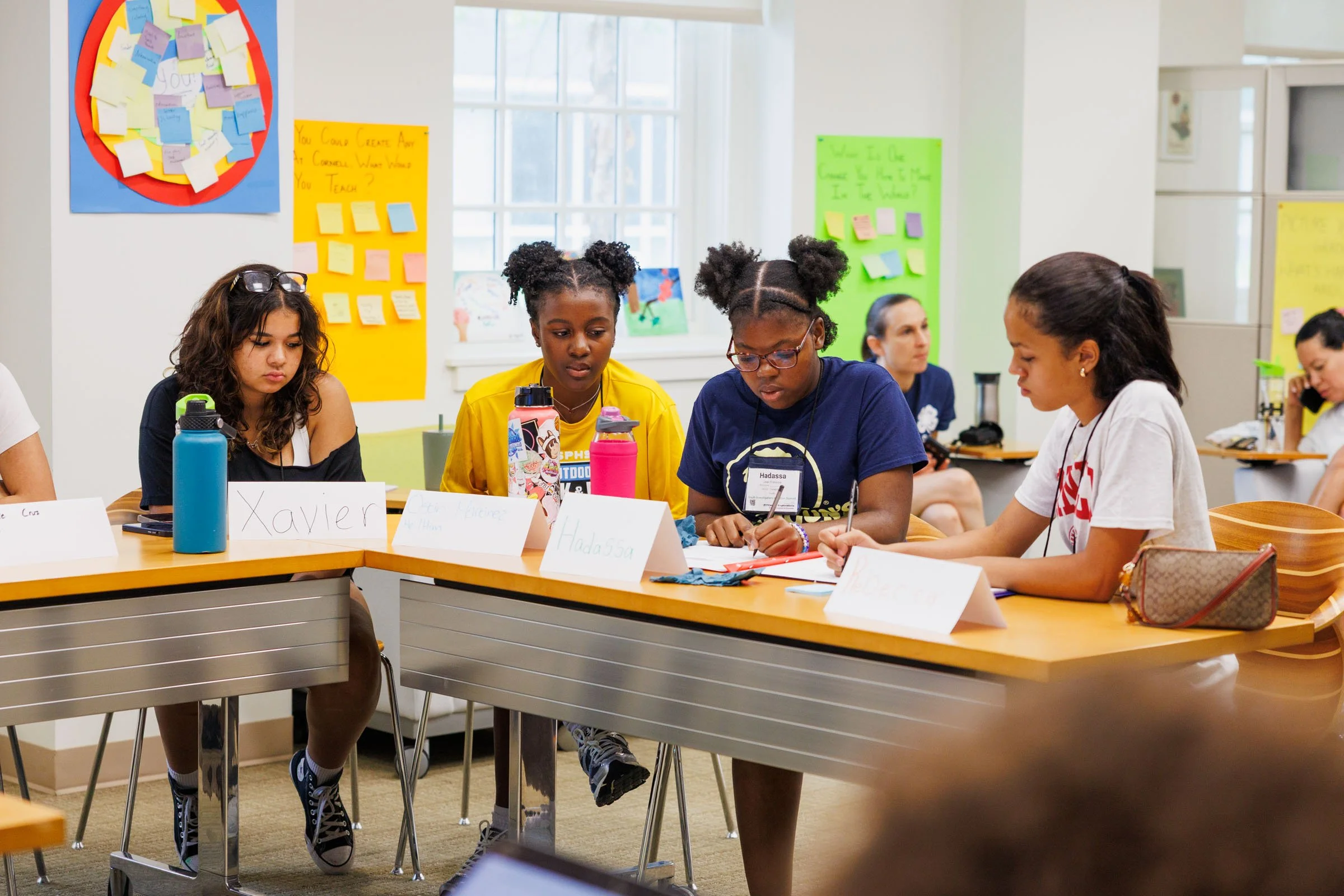
Students work together to complete a research activity on analyzing secondary data.
Photography by University Relations Creative Services at Cornell University
The investigation continued beyond the classroom through a photovoice activity that encouraged students to explore Cornell's campus with a researcher's perspective. As they walked through campus, students captured photographs representing different aspects of social identity, belonging, opportunity, and community. Each image served as another piece of evidence about how physical spaces and campus environments can shape a student's experience.
By the second day, students shifted from collecting data to making sense of it. Working collaboratively in teams, they compared interview responses, analyzed their photographs, and identified themes that emerged across multiple sources of data. They then transformed those findings into presentations that communicated both what they had learned and the recommendations they developed based on their research.
The summit concluded with students presenting their work to an audience of Cornell undergraduate students, PRYDE staff, and 4-H chaperones and staff, including Rockland County Educator Kristin Ruggiero. Watching students confidently explain their findings highlighted just how much they had grown as researchers over the course of only two days.
While students were at the center of the experience, the summit was supported by a dedicated team working both in front of and behind the scenes. PRYDE interns Thomas Lee and Ashley Huynh played an integral role in planning and facilitating activities, guiding students through the beginning stage of the research process, encouraging discussion, and helping teams prepare for their final presentations.
“Part of the reason I joined PRYDE is to empower youth and help them realize that they can develop the tools to make a meaningful impact on their communities,” said Thomas Lee. “Through the Youth Investigators in Action Summit, I was able to do just that! From scouting out campus locations for our photovoice activity with Ashley, my fellow PRYDE scholar, to going around the room and checking in with 4-H youth on their skill-development activities, I found the experience rewarding and incredibly joyful.”
Reflecting on the experience, Lee added “Perhaps the overarching theme of this transformative program is growth, not just in the youth who stepped up for their final presentations, but also in my own facilitation skills, to which Kristen and Casey's invaluable expertise and mentorship contributed significantly.”
"I really enjoyed helping prepare for the Summit, but actually being there with the youth for those two days was definitely the highlight of my experience in PRYDE because I loved connecting them to social science research," said Ashley Huynh. "Seeing them engage with data collection, reflect on their data analysis to come up with recommendations on how to bridge social problems was really fun and rewarding. On a personal note, I really valued the chance to grow my facilitation skills and learning from the masterclass that are Kristen and Casey. This was exactly the youth and community engagement I was hoping to experience in PRYDE."
The summit was also co-led by Dr. Kristen Elmore, Director of PRYDE, Casey Adrian, Assistant Director of PRYDE, and Jennifer Duque, PRYDE & BCTR Student Programs Coordinator. Each year, the summit builds on previous successes while creating new opportunities for young people to explore research and see themselves as capable investigators.
“This was my third time participating in the Youth Investigators in Action Summit,” said Casey Adrian. “I have a greater appreciation for this event each year. After completing the Youth Investigators curriculum in the classroom with Kristin Ruggiero, these students come to Cornell with excitement and enthusiasm about asking and answering a social science research question related to real things they experience as teenagers. Nothing is more gratifying than seeing these teens grapple with hard topics like inequality and injustice, then present recommendations for how schools and communities can better serve the needs of students like them.”
The Youth Investigators Summit reflects PRYDE's commitment to creating meaningful opportunities for youth to ask important questions, investigate issues that matter to them, and share their perspectives through research.
More importantly, students left knowing that research is not simply something they learn about in a classroom, it is something they can actively participate in. By asking meaningful questions, gathering evidence, and sharing their own perspectives, they discovered that their voices have the power to deepen understanding, strengthen their communities, and imagine new possibilities for the future.